
Probiotics 101: What's Actually in Your Yogurt
Frozen yogurt is more than a treat — it can carry real probiotic benefits too. Here's a plain-English look at what's in your bowl at CD Yogurt Kellyville and why it matters.
Executive Summary
“Probiotic” gets thrown around a lot on yogurt packaging, but what does it actually mean — and does freezing it change anything? We’re breaking down what’s really in your bowl at CD Yogurt Kellyville, in plain English, without turning it into a lecture.
TL;DR
Probiotics are live, beneficial bacteria cultures that support gut health. Our yogurt bases are made using live active cultures, and while freezing can reduce the total live culture count compared to fresh yogurt, a meaningful amount typically survives — so you’re still getting a real benefit, not just a marketing claim.
Key Takeaways
- Probiotics are live bacterial cultures, most commonly Lactobacillus and Bifidobacterium strains
- Freezing slows bacterial activity but doesn’t necessarily kill the cultures outright
- Look for “live active cultures” on any yogurt product — it’s the clearest indicator of probiotic content
- Pairing yogurt with fibre-rich toppings (fruit, granola) is generally considered good for gut health
- Frozen yogurt isn’t a substitute for a probiotic supplement, but it’s a legitimate, tastier way to get some of the same cultures into your day
What Are Probiotics, Actually?
Probiotics are live microorganisms — mostly specific strains of bacteria — that, when consumed in the right amounts, are associated with a healthier gut microbiome. The two families you’ll see mentioned most often are Lactobacillus and Bifidobacterium, both of which are commonly used in yogurt fermentation.
The theory, broadly supported by nutrition research, is that a healthier balance of gut bacteria is linked to better digestion and a stronger immune response. It’s not a miracle cure and it’s not going to undo a bad diet, but it’s a genuinely useful thing to have more of in what you eat.
Does Freezing Kill the Good Bacteria?
This is the question we get asked the most, and the honest answer is: partially, but not entirely. Freezing temperatures slow down and can reduce the population of live bacterial cultures compared to fresh, unfrozen yogurt — some cultures are more freeze-tolerant than others. But it’s not an on/off switch. Reputable frozen yogurt made with live active cultures still typically retains a meaningful amount of probiotic activity, which is a big part of why we’re selective about the yogurt base we use in the first place.
If you want the clearest signal that a yogurt product has real probiotic value, look for “live active cultures” on the label — it’s a more reliable indicator than the word “probiotic” alone, which isn’t strictly regulated everywhere.
Does It Matter What Toppings You Choose?
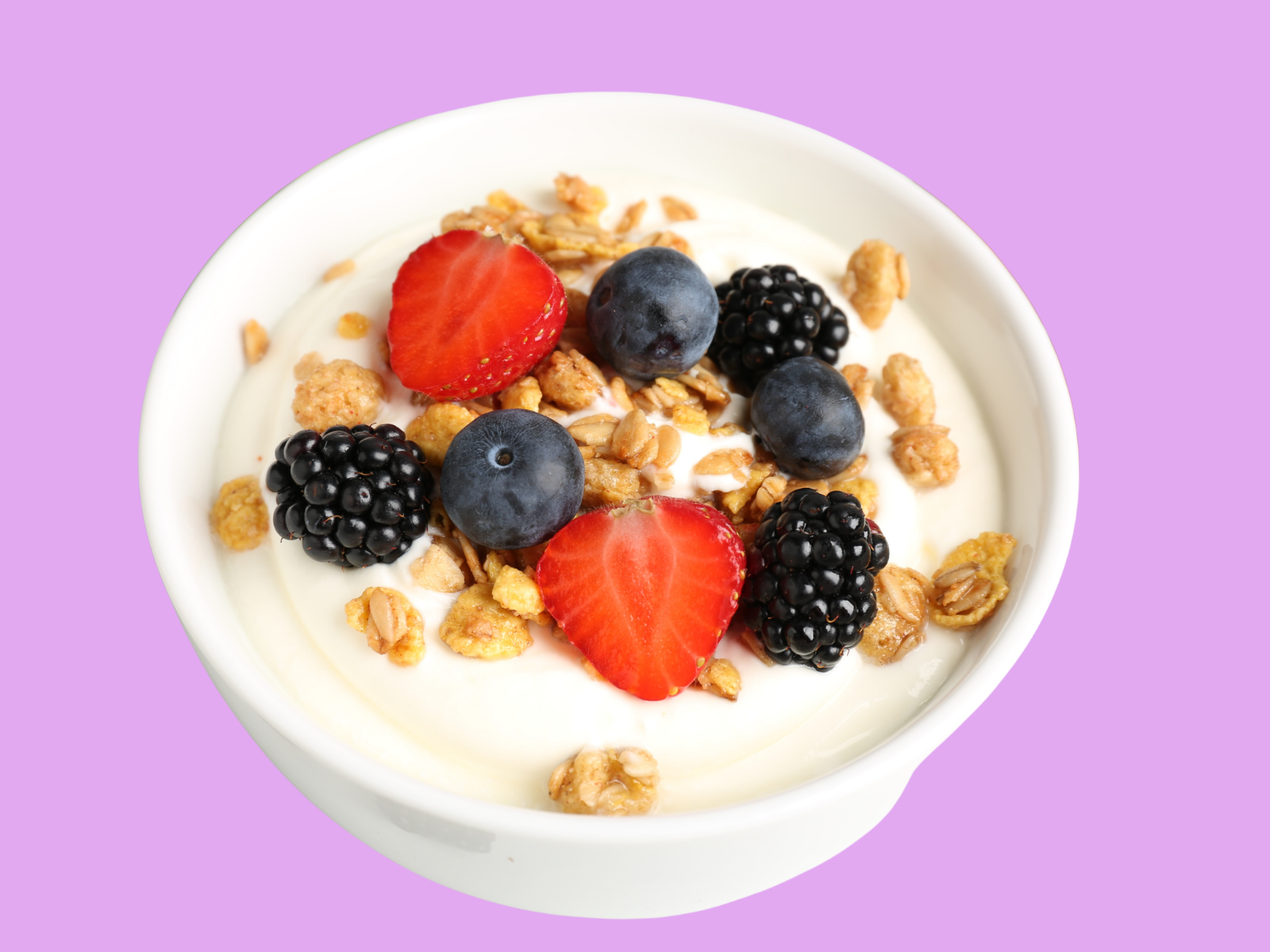
For the probiotic content itself, not really — that comes from the base, not the toppings. But if you’re thinking about gut health more broadly, fibre-rich toppings like fresh fruit, granola, or chia seeds are a reasonable complement, since dietary fibre is what probiotic bacteria in your gut actually feed on. So a bowl with real fruit and a bit of crunch isn’t just tastier — it’s arguably a slightly smarter choice too.
Sauces and heavier extras like Oreo crumble or mochi are there for taste, not nutrition — nothing wrong with them, just don’t expect a gut-health bonus from that part of the bowl.
FAQ
Is frozen yogurt as good for gut health as regular yogurt?
Not quite one-for-one — freezing generally reduces the live culture count compared to fresh yogurt — but it still typically retains meaningful probiotic content, especially if made with live active cultures like ours.
Which of your flavours has the most probiotics?
Probiotic content comes from the yogurt base itself rather than the flavour, so it’s broadly similar across our bases — the differences are in taste, not culture count.
Can I eat frozen yogurt if I’m lactose intolerant?
Many people with lactose intolerance tolerate yogurt better than milk, since fermentation reduces lactose content, but tolerance varies person to person — if you’re unsure, start with a small serve.
Do your dairy-free options have probiotics too?
Some dairy-free yogurt bases are made with their own live cultures, but not all are — ask our team in-store about the specific dairy-free option available on the day.
Is it better to eat frozen yogurt or take a probiotic supplement?
They’re not really substitutes — a supplement is designed for a specific, concentrated dose, while yogurt is a food with broader nutritional value. Frozen yogurt is a good everyday habit, not a medical intervention.
Does the temperature it’s served at affect the probiotics?
The cultures are already established in the yogurt before it’s frozen, so serving temperature on the day doesn’t meaningfully change what’s already there.